
Spinal Stenosis: Understanding Narrowing in the Spine
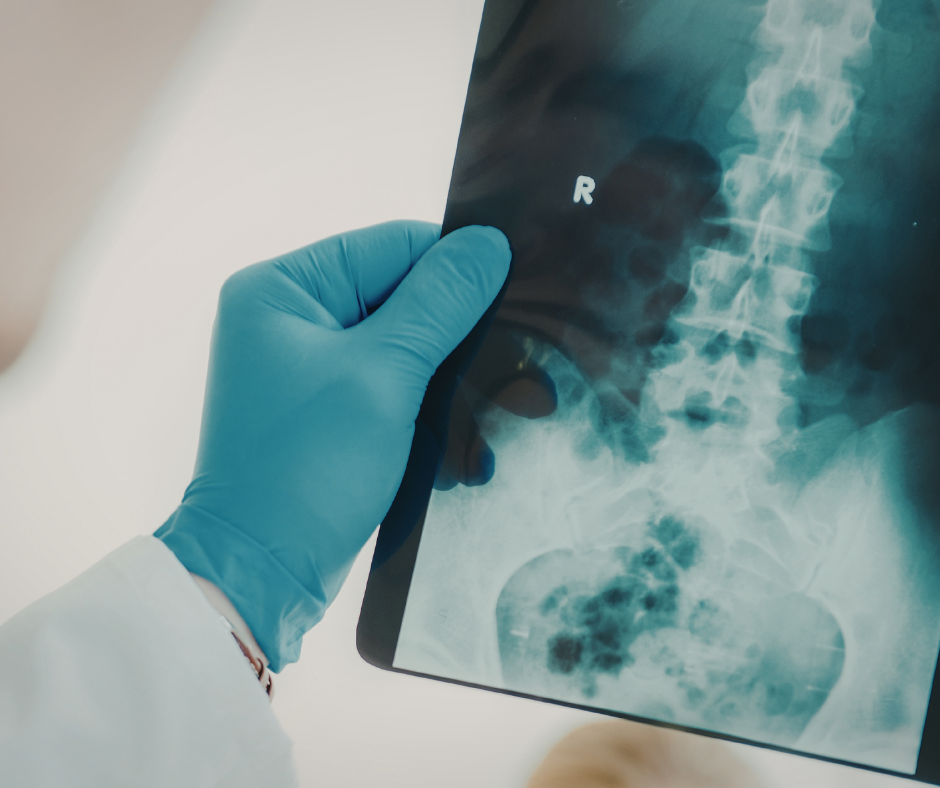
Do you have back or neck pain that gets worse when you stand or walk? Do your legs feel heavy, weak, or tired?
You may be dealing with spinal stenosis. Which may sound scary but there are treatment options available.
This blog explains spinal stenosis in a simple, easy-to-read way.
What Is Spinal Stenosis?
Spinal stenosis means the space inside the spine gets too narrow.
When this space shrinks, it can press on the nerves. This pressure can cause pain, numbness, or weakness.
Spinal stenosis can happen in two main areas:
Cervical stenosis – narrowing in the neck
Lumbar stenosis – narrowing in the low back
What Causes Spinal Stenosis?
Spinal stenosis usually happens over time. Common causes include:
Arthritis that stiffens the spine
Bone spurs that crowd the nerves
Thick ligaments in the spine
Past injuries or surgery
Most people develop spinal stenosis as they get older, but symptoms can vary.
Signs and Symptoms of Spinal Stenosis
Symptoms often start slowly and may come and go.
Neck (Cervical) Spinal Stenosis
Neck pain or stiffness
Numbness or tingling in the arms or hands
Weakness or clumsiness in the hands
Trouble with balance
Low Back (Lumbar) Spinal Stenosis
Low back pain
Pain, numbness, or weakness in the legs
Leg pain that gets worse with walking or standing
Relief when sitting or leaning forward
⚠️ Call a doctor right away if you have trouble walking, falling often, or loss of bladder or bowel control.
How Is Spinal Stenosis Diagnosed?
Your spine specialist will:
Ask about your symptoms
Check strength, balance, and reflexes
Review imaging tests like X-rays or an MRI
These tests help show where the spine is narrow and which nerves are affected.
Treatment Options for Spinal Stenosis
Many people feel better with non-surgical care.
Non-Surgical Treatments
Physical therapy to improve strength and posture
Medications to reduce pain and swelling
Activity changes to limit pain
Injections to calm irritated nerves
These treatments help reduce pressure and improve daily function.
When Is Surgery Needed?
Surgery may be recommended if:
Pain keeps getting worse
Walking becomes very hard
Weakness affects daily life
Other treatments no longer help
Surgery works by creating more space for the nerves.
When to See a Spine Specialist at Premier Spine
If neck or back pain is limiting your ability to walk, work, or enjoy life, it’s time to get answers.
At Premier Spine, we specialize in diagnosing and treating spinal stenosis. Our team focuses on relieving nerve pressure and helping you move with confidence again.
Why Choose Premier Spine?
Board-certified spine specialists
Advanced imaging and diagnosis
Personalized non-surgical and surgical care
Clear communication and compassionate care
You don’t have to live with spine pain.
Schedule a consultation with Premier Spine today to learn what’s causing your symptoms and explore your treatment options.
Final Thoughts
Spinal stenosis can make everyday life hard, but help is available.
With the right care plan, many people find relief and return to doing the things they love.
If your pain isn’t going away, a spine specialist can help you take the next step forward.
