
Lumbar and Cervical Radiculopathy: Understanding Nerve Pain in Your Neck and Back
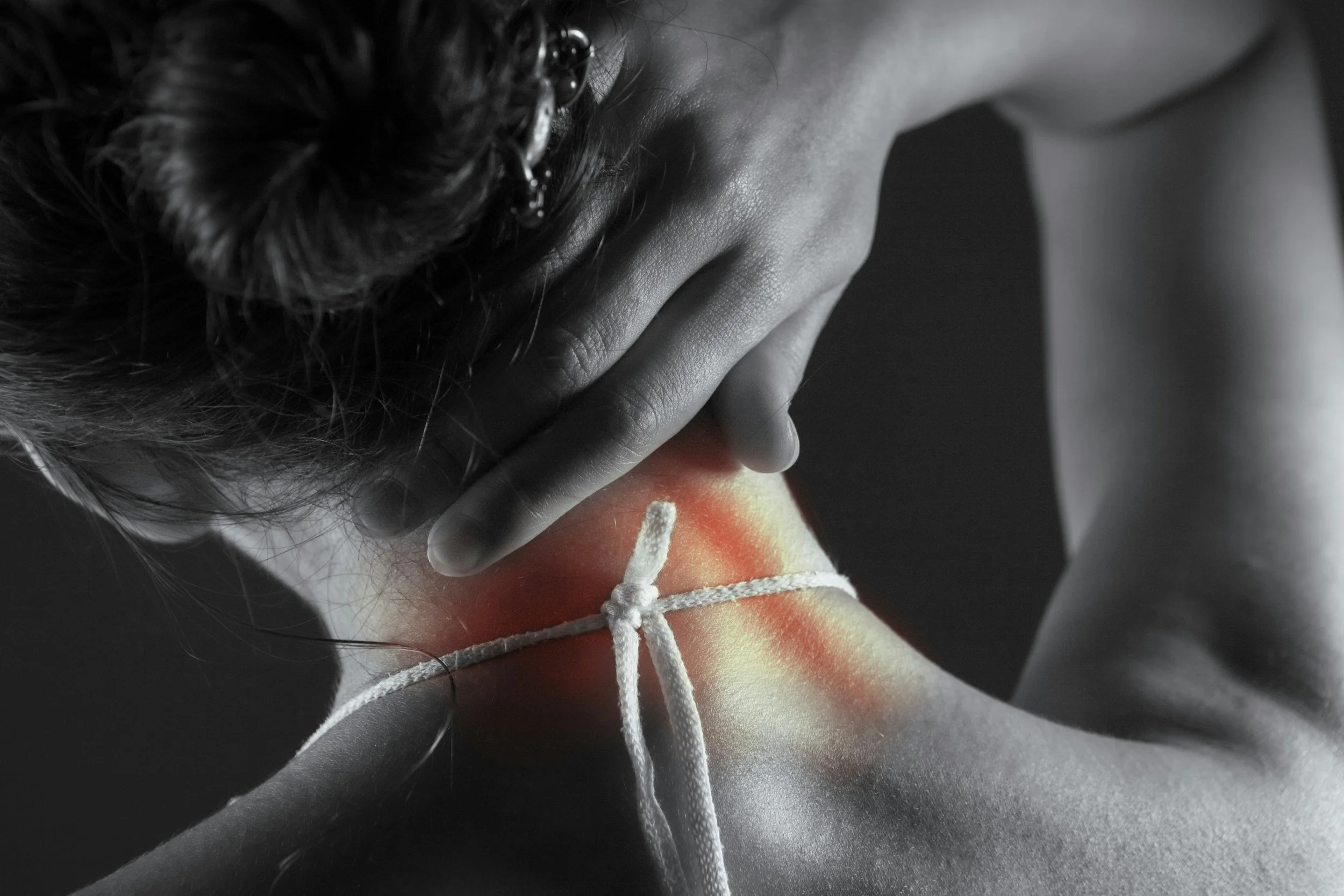
Have you ever felt pain shoot down your arm or leg?
Maybe you felt tingling, numbness, or weakness that just wouldn’t go away. This kind of pain can be scary, but you’re not alone and there is hope.
This blog will help you understand lumbar and cervical radiculopathy in a simple way.
What Is Radiculopathy?
Lumbar and cervical radiculopathy are common causes of neck pain, back pain, arm pain, and leg pain. Radiculopathy means nerve pain coming from the spine.
Radiculopathy (rad-ick-you-LAW-puh-thee) is nerve pain.
It happens when a nerve in your spine gets pinched or irritated.
Cervical radiculopathy = nerve pain coming from the neck
Lumbar radiculopathy = nerve pain coming from the low back
When a nerve is bothered, pain can travel away from the spine and into the arms or legs.
Common Causes of Lumbar and Cervical Radiculopathy
Nerves can get pinched for a few common reasons:
Bulging or herniated disc (a disc presses on a nerve)
Arthritis (joints get stiff and tight with age)
Bone spurs (extra bone that crowds the nerve)
Injury (like a fall, car accident, or lifting something heavy)
Poor posture over time
Sometimes it happens suddenly. Other times, it builds up slowly.
Signs and Symptoms of Radiculopathy
Everyone feels nerve pain a little differently. Common signs include:
Neck (Cervical) Radiculopathy
Pain in the neck, shoulder, arm, or hand
Tingling or numbness in the arm or fingers
Weak grip or trouble lifting objects
Low Back (Lumbar) Radiculopathy
Pain in the low back, buttock, leg, or foot
Burning or sharp pain down the leg (often called sciatica)
Numbness or weakness in the leg or foot
⚠️ Call a doctor right away if you have trouble walking, loss of bladder or bowel control, or sudden severe weakness.
How Is Radiculopathy Diagnosed?
Your doctor will:
Listen to your story
Ask where you feel pain
Check strength, reflexes, and feeling
You may also need imaging like:
X-rays
MRI (shows nerves and discs)
Treatment Options for Lumbar and Cervical Radiculopathy
Here’s the good news: Most people get better without surgery.
Non-Surgical Treatments
Physical therapy to improve strength and movement
Medications to reduce pain and swelling
Activity changes to protect the spine
Injections to calm irritated nerves
These treatments help reduce pressure on the nerve and allow healing.
When Is Surgery Needed?
Surgery may be considered if:
Pain does not improve over time
Weakness is getting worse
Daily life becomes very difficult
Surgery works by removing pressure from the nerve. Many patients feel relief quickly after.
What You Can Do Today
Keep moving (gentle motion helps healing)
Sit and stand tall
Avoid heavy lifting when in pain
Don’t ignore symptoms that keep getting worse
Early care often means faster recovery.
When to See a Spine Specialist at Premier Spine
If pain, numbness, or weakness is affecting your daily life, it may be time to see a spine specialist.
At Premier Spine, we specialize in diagnosing and treating lumbar and cervical radiculopathy. Our team focuses on finding the true cause of your nerve pain and creating a plan that fits you.
Why Choose Premier Spine?
Board-certified spine specialists
Advanced imaging and diagnosis
Personalized non-surgical and surgical care
Clear answers and compassionate treatment
You don’t have to live with neck pain, back pain, arm pain, or leg pain.
Take the first step toward relief today.
Schedule a consultation with Premier Spine to learn what’s causing your nerve pain and how we can help you feel better.
Final Thoughts
Radiculopathy can hurt, but it is treatable.
With the right care plan, most people return to doing what they love.
If you have arm or leg pain that starts in your neck or back, talk to a spine specialist. Getting answers is the first step to feeling better.
You don’t have to live with nerve pain.
