
When Back Pain Won’t Let Go.
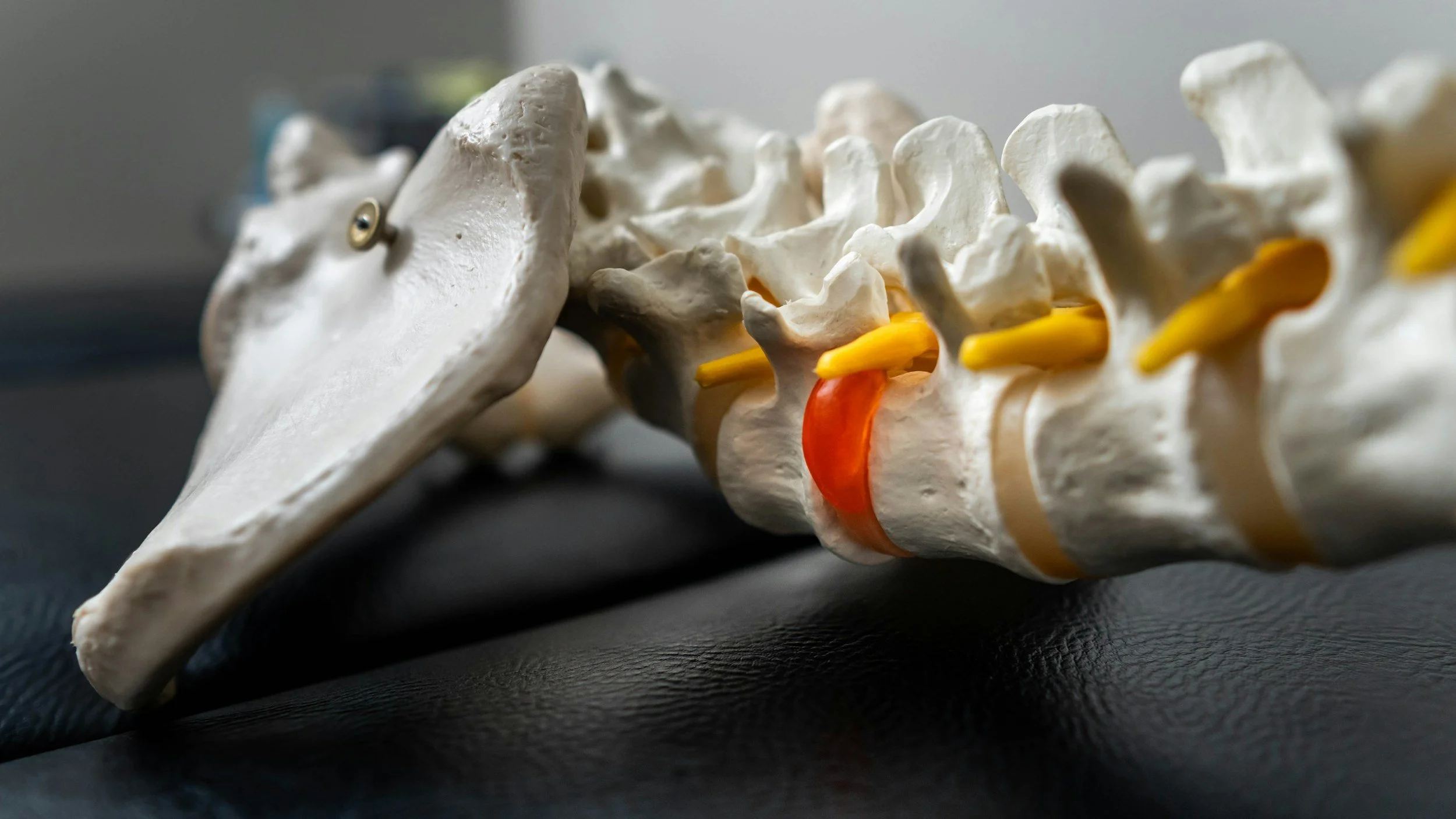
When Back Pain Won’t Let Go: Could a Spinal Cord Stimulator Help You Take Your Life Back?
Back pain can change everything.
It can make getting out of bed harder. Sitting through a workday can become a challenge. Sleep can suffer. Activities you once enjoyed may slowly disappear from your routine.
And when the pain travels into your legs, arms, or other areas of the body, bringing burning, tingling, numbness, or shooting sensations, it can feel like your body is constantly reminding you that something is wrong.
For some people, physical therapy, medications, injections, and even spine surgery provide meaningful relief.
For others, the pain persists.
When chronic pain continues despite treatment, a spinal cord stimulator may offer another path forward.
What Is a Spinal Cord Stimulator?
A spinal cord stimulator (SCS) is a small implanted device designed to change the way pain signals are transmitted to the brain.
Rather than simply treating the source of pain, spinal cord stimulation works through neuromodulation—using carefully controlled electrical stimulation to alter pain signaling within the nervous system.
The goal isn't to make you forget you have a spine problem.
The goal is to reduce the pain that is keeping you from living your life.
For appropriately selected patients, spinal cord stimulation may help reduce chronic pain and improve comfort during everyday activities. Research has also found potential benefits in function and quality of life, although results vary from person to person.
When Back Pain Becomes More Than Just Back Pain
Chronic back pain isn't always limited to the low back.
When nerves are involved, pain may extend into the buttocks, hips, legs, feet, arms, or other areas. You may experience:
Burning or tingling
Shooting or electric-like pain
Persistent nerve pain
Pain that interferes with sleep
Pain that limits walking, working, exercising, or other daily activities
Ongoing pain following spine surgery
These symptoms can be particularly frustrating because the problem isn't simply that your back hurts. Your nervous system may be continuing to send pain signals long after the original injury or condition developed.
That's where spinal cord stimulation may have a role.
Could a Spinal Cord Stimulator Be Right for You?
SCS isn't a solution for every type of back pain—and it's not right for every patient.
But you may be a candidate if you have chronic pain that has continued for months, your pain is interfering with your quality of life, and other treatments haven't provided enough relief.
Patients who may benefit can include those experiencing chronic nerve-related back or leg pain, including some people who continue to experience significant pain after spine surgery. A careful evaluation is essential because patient selection plays an important role in determining whether SCS is appropriate.
In other words:
The question isn't simply, "Does my back hurt?"
It's:
"Why does it hurt, how is that pain affecting my life, and is spinal cord stimulation an appropriate option for me?"
One of the Biggest Benefits: A Trial Before Permanent Implantation
One of the most important aspects of spinal cord stimulation is that you don't have to commit to a permanent implant to find out whether it may help.
For appropriately selected patients, a temporary SCS trial can be performed first.
During the trial, the temporary system allows you to experience the potential effect of stimulation and determine whether meaningful pain relief occurs before considering permanent implantation. Evidence-based consensus recommendations support performing an SCS trial before permanent implantation for chronic low back and/or leg pain.
That trial can provide valuable information:
Does it reduce my pain?
Can I move more comfortably?
Can I sleep better?
Can I return to activities that pain has taken away?
If the trial is successful and you and your physician determine that SCS is appropriate, a permanent system can then be considered.
What Could Life Look Like With Less Pain?
For someone living with chronic back or nerve pain, "pain relief" can mean much more than a number on a pain scale.
It can mean:
Getting through the workday without constantly thinking about your back.
Sleeping through the night.
Walking farther.
Playing with your kids or grandkids.
Returning to hobbies.
Moving with more confidence.
Needing fewer interruptions from pain.
Getting back to the life you've been putting on hold.
The goal of spinal cord stimulation isn't simply to treat pain.
It's to help make life feel possible again.
Why Choosing the Right Spine Specialist Matters
Spinal cord stimulation is an advanced treatment that requires careful evaluation, appropriate patient selection, precise placement, and ongoing management.
At Premier Spine in Stevens Point, Wisconsin, our spine specialists take a comprehensive approach to determining whether SCS is right for you. Your medical history, symptoms, imaging, previous treatments, and overall goals all matter.
If you are a candidate, the process typically begins with a thorough evaluation, followed by a temporary trial. If the trial provides meaningful relief, permanent implantation may be considered.
Most importantly, SCS is not about taking a one-size-fits-all approach to chronic pain.
It's about finding the right treatment for the right patient at the right time.
You Don't Have to Keep Living Around Your Pain
If chronic back or nerve pain has become a constant part of your life, it's understandable to wonder:
"Is this just how it's going to be?"
Maybe not.
Spinal cord stimulation isn't right for everyone, and it isn't a cure for every cause of back pain. But for appropriately selected patients whose chronic pain hasn't responded adequately to other treatments, it can be an important treatment option worth discussing.
You deserve to understand all of your options.
If chronic back, leg, or nerve pain is keeping you from doing the things you want to do, talk with the spine specialists at Premier Spine to find out whether spinal cord stimulation may be right for you.
Less pain. More movement. More possibilities.
Take the Next Step
Don't let chronic pain make your world smaller.
Contact Premier Spine to schedule an evaluation and learn whether spinal cord stimulation could be part of your path toward better pain control and a more active life.
Spinal cord stimulation is not appropriate for everyone. Individual results vary, and treatment decisions should be made with a qualified medical professional after a comprehensive evaluation.
