
Back Pain in Stevens Point: Do You Need an MRI, Injection or Surgery?
Back pain can turn a normal day into a series of compromises.
You skip the workout. You change how you sleep. You take the stairs differently. You wonder whether you should see a doctor, try physical therapy, get an MRI, or just give it more time.
And if you've searched for back pain treatment in Stevens Point, WI, you've probably found plenty of information about diagnoses and procedures—but not always a clear answer to the question you actually have:
What should I do next?
The answer depends on what's causing your pain, how long you've had it, whether you're experiencing nerve symptoms, and how much it's affecting your everyday life.
At Premier Spine in Stevens Point, our goal is to understand what's behind your pain and help you determine the appropriate next step—from non-surgical treatment to minimally invasive spine procedures and surgery when necessary.
First: Back Pain Doesn't Automatically Mean Something Is Wrong With Your Spine
Not every episode of back pain comes from a serious spinal problem.
Back pain can be related to muscle or ligament strain, a disc problem, arthritis, degenerative changes, nerve irritation, an injury, or other causes. Symptoms can also overlap, which is why simply looking at where it hurts doesn't always tell you what's causing it.
For some people, back pain improves with time and conservative care.
For others, it keeps coming back—or starts affecting the legs, strength, walking, sleep, work, or ability to do the things they enjoy.
That's when getting a clearer answer becomes important.
Do You Need an MRI for Back Pain?
Not necessarily.
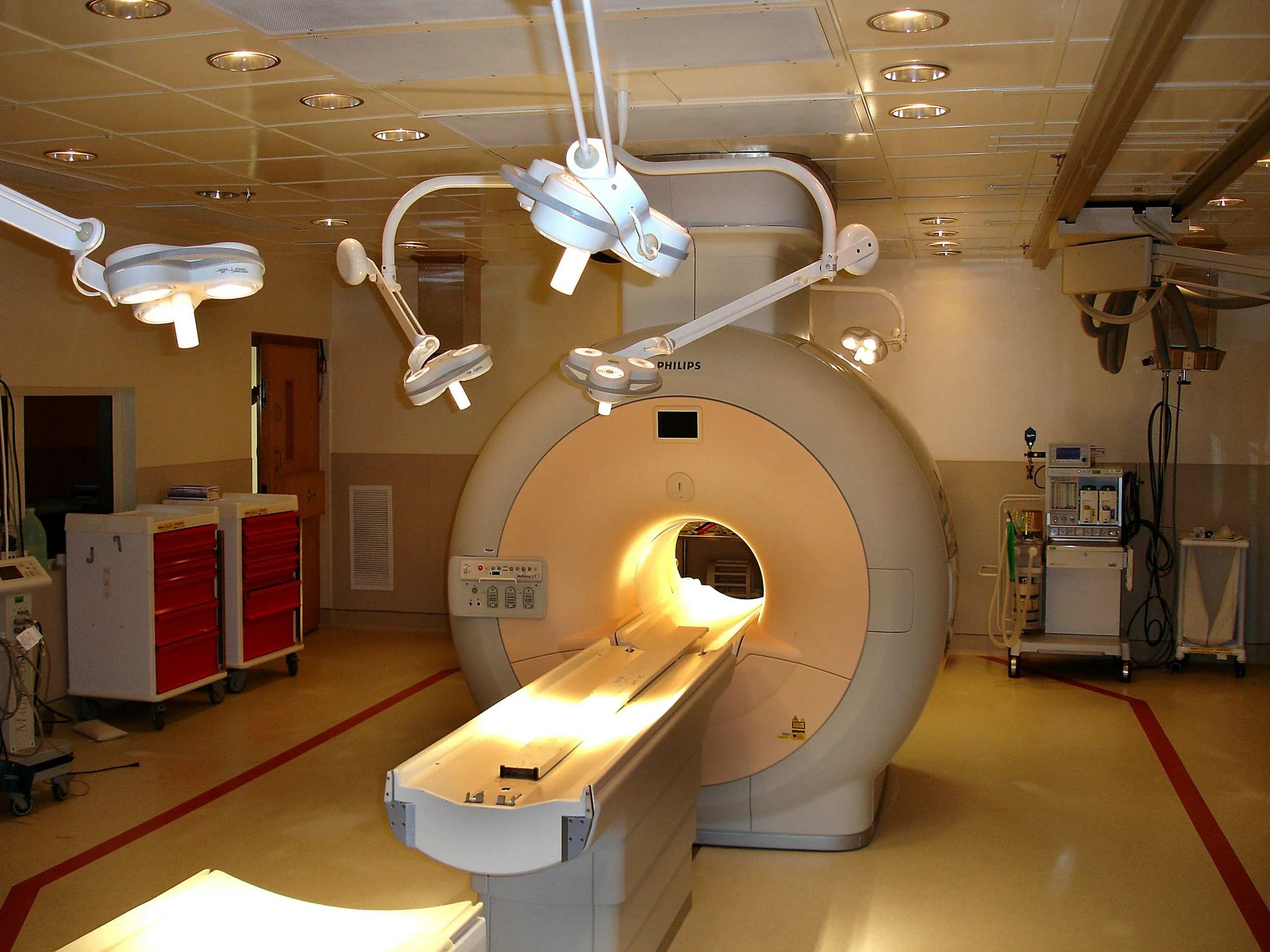
An MRI can show detailed images of the discs, nerves and other structures of the spine. But an MRI doesn't automatically tell you why you're hurting—or mean that surgery is necessary.
For example, imaging may show a bulging or degenerating disc even when that finding isn't the primary source of someone's pain.
The goal isn't simply to find something on an MRI. It's to determine whether the imaging findings match your symptoms and physical examination.
That's why a spine evaluation typically looks at the entire picture:
Where your pain starts
Where it travels
Whether you have numbness or tingling
Whether you're experiencing weakness
What movements make it better or worse
How long you've had symptoms
What treatments you've already tried
How the pain is affecting your daily life
In other words, we don't treat the MRI. We treat the person.
What If You Have a Bulging or Herniated Disc?
A bulging or herniated disc can sound alarming.
But the words on an imaging report don't automatically determine your treatment.
A disc problem may cause back pain, but it can also irritate or compress a nearby nerve. When that happens, symptoms may travel from the back into the buttock, hip, or leg.
That's one reason people searching for herniated disc treatment in Stevens Point may also be experiencing symptoms they describe as sciatica.
The important question isn't simply:
“Do I have a herniated disc?”
It's:
“Is the disc actually causing my symptoms, and what can we do about it?”
Is It Sciatica or Just Back Pain?
Sciatica typically refers to pain associated with irritation or compression of nerves that contribute to the sciatic nerve.
It can feel different from typical low back pain.
You may notice:
Sharp or shooting pain into the buttock or leg
Burning or electric-like pain
Numbness or tingling
Weakness
Symptoms that extend below the knee
Sciatica can have several possible causes, including a herniated disc, spinal stenosis, degenerative changes or other sources of nerve irritation.
If you're searching for sciatica treatment in Stevens Point, the right treatment depends on what's irritating the nerve in the first place.
Can Physical Therapy Help Back Pain?
For many people, conservative care is an important part of treatment.
Depending on the diagnosis, physical therapy may help improve strength, mobility, movement patterns and function. Premier Spine works with physical and occupational therapy as part of its non-surgical treatment approach.
Physical therapy isn't necessarily an alternative to seeing a spine specialist.
Sometimes the two work together.
A spine specialist can help determine what's causing your symptoms and whether additional treatment is appropriate. Physical therapy can then be part of a plan focused on improving movement and function.
What About Spinal Injections?
This is another common question:
“If my back hurts, should I get an injection?”
The answer depends on the source of your pain.
Spinal injections can be used for certain types of back, neck and nerve-related pain. Depending on the diagnosis, options may include epidural steroid injections, facet injections and other targeted procedures.
The purpose isn't simply to “numb the pain.”
In the right situation, an injection may help reduce inflammation and pain, improve function, or provide additional information about where symptoms are coming from.
But injections aren't a cure for every cause of back pain, and results vary from person to person. Your physician should discuss the potential benefits, risks and alternatives with you before treatment.
Does Back Pain Mean You Need Surgery?
Usually, the answer isn't that simple.
Surgery is one tool in the treatment toolbox—not automatically the first step.
At Premier Spine, treatment options include both non-surgical and minimally invasive surgical approaches. Depending on the diagnosis and your individual situation, treatment may include therapy, injections, pain-management procedures, spinal decompression, discectomy, fusion, radiofrequency ablation or other interventions.
Surgery may become a consideration when:
Conservative treatment hasn't provided enough improvement
Pain continues to significantly interfere with daily life
A nerve is being compressed
Symptoms such as weakness or loss of function are progressing
Your symptoms and imaging point to a condition that may benefit from surgery
The important thing is that the diagnosis drives the treatment—not the other way around.
What About Spinal Stenosis?
Spinal stenosis is another common reason people eventually seek a spine specialist in Stevens Point.
Spinal stenosis occurs when areas around the spinal nerves become narrowed. Depending on where the narrowing occurs and which nerves are affected, symptoms can include pain, numbness, weakness or difficulty walking.
Some people with spinal stenosis manage their symptoms with non-surgical treatment.
Others may eventually need a surgical evaluation, particularly when symptoms significantly affect mobility or function.
Again, the MRI is only one part of the conversation.
Your symptoms and how they're affecting your life matter, too.
So When Should You See a Spine Specialist?
You don't necessarily need to see a spine specialist for every episode of back pain.
But an evaluation may make sense if:
Your back pain isn't improving
Your pain keeps coming back
Pain travels into your arm or leg
You have numbness or tingling
You're experiencing weakness
Walking or standing has become difficult
Pain is interfering with work, sleep or everyday activities
You've already tried conservative treatment without enough improvement
You've been told you have a herniated disc, spinal stenosis or another spine condition and aren't sure what it means for you
These are the situations where getting a clearer diagnosis can help you understand what comes next.
When Back Pain Needs Urgent Attention
Some symptoms shouldn't wait for a routine appointment.
Seek urgent medical evaluation for severe or rapidly worsening symptoms, particularly new significant weakness, loss of bladder or bowel control, numbness in the area around the groin or inner thighs, or other symptoms that may indicate serious nerve compression.
When in doubt about a new or severe symptom, seek prompt medical advice rather than trying to diagnose the problem yourself.
What Happens at a Spine Appointment?
If you've never seen a spine specialist before, you may be wondering what actually happens.
Your appointment typically starts with a conversation about your symptoms and medical history, followed by an examination.
If you've already had imaging, your physician can review those results alongside your symptoms and examination findings.
From there, the conversation may be surprisingly straightforward:
What is causing the problem?
What are my options?
Do I actually need a procedure?
What happens if we don't do surgery?
What can I do to get back to the things I want to do?
At Premier Spine, treatment plans are built around the individual patient and can include both non-surgical and minimally invasive surgical options.
Do You Need a Referral to See a Spine Specialist in Stevens Point?
Premier Spine does not require a referral to schedule an appointment with one of its spine specialists. The practice also works with most major insurance providers, although coverage, deductibles and other requirements vary by individual insurance plan.
If you're unsure whether your insurance requires anything before your appointment, it's a good idea to contact your insurance company or Premier Spine's team before scheduling.
The Bottom Line: You Don't Have to Figure It Out From Your MRI Alone
If you've been dealing with back pain, sciatica, a bulging disc, spinal stenosis or chronic neck pain, you may have more questions than answers.
Do I need an MRI?
Will physical therapy help?
Would an injection make sense?
Can I avoid surgery?
If I do need surgery, what does that actually mean?
Those are reasonable questions.
The first step isn't necessarily choosing a treatment.
It's figuring out what's causing your symptoms and understanding your options.
Premier Spine provides spine care in Stevens Point, including non-surgical treatment, interventional pain procedures and minimally invasive surgical options.
If back or neck pain is keeping you from work, sleep, exercise, family time or the activities you enjoy, you don't have to keep guessing about what's next.
Premier Spine is accepting new patients in Stevens Point.
—
Medical Disclaimer
The information provided in this article is for general educational purposes only and is not intended to replace professional medical advice, diagnosis or treatment. Every patient and spine condition is different, and treatment recommendations should be based on an individual evaluation by a qualified healthcare professional.If you are experiencing new, severe or worsening symptoms, including significant weakness, loss of bladder or bowel control, or numbness in the groin or inner thighs, seek prompt medical attention.This article does not establish a doctor-patient relationship or guarantee any particular diagnosis, treatment or outcome. Insurance coverage and treatment costs vary by individual plan and circumstances.